
Could You Keep it Dark? - The Kilans
Album Review by Chloe Hofer
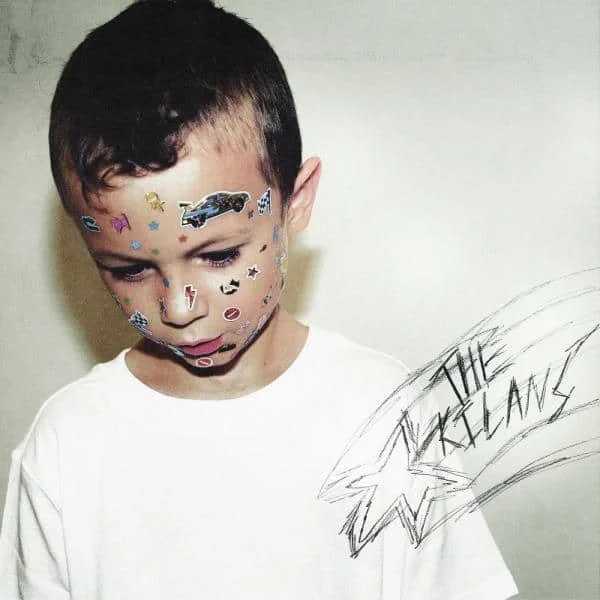
The Kilans have been recognised as up-and-coming since their first big hit, ‘Why Is It Light Out?’ (2024), amassing over 15 million streams. This song is how I discovered the four-man Salt Lake City band earlier this year. But, on October 30th, they finally released their debut album, another keen question: Could You Keep It Dark?. The band, made up of Jack Ongman (vocals), Jacob Shultz (guitar), Cooper Brezoff (bass), and David Wiseman (drums), seemingly have many questions but very few answers with their music. The new album shifts from their previous upbeat, surf rock sound to a more alternative, lyrically introspective expression of the music industry and themselves.
In an interview with The Daily Music Report, they intentionally worked to individualize their musical sound from other indie rock bands, “leaning into unique song structures and a loud-soft dynamic,” which is very present throughout the record. They worked to present a more mature version of themselves, with deeper lyrics and creative production.
‘Biome’ begins the album beautifully, pulling you into the song with an ascending chord progression and upbeat drums, a blend that creates excitement. The instrumental production sits in contrast with the lyrical examination of a losing game with the music industry and themselves. The chorus examines this: “I’m losing my shot / My eyes are wide, but I can’t seem to figure it out.” A common expression from small indie rock bands, this struggle of putting so much effort into the music and not seeing success, struggling to know what is the best option for you. This notion continues into the next two songs, ‘Nightmare’ and ‘9-5,’ which shift into a much grungier sound, with rough guitar and heavy rhythm. Both songs touch on Ongman’s inner conflict as the only musician in his family, pushing him to give up his dreams, but as he says “The limelight / I can’t stop chasing it.” In particular, ‘9-5,’ expresses this notion more effectively through the instrumental production: heavy crashing symbols, a strong beat, angry vocals, and overall, a hard rock sound that you don’t expect from them, that crashes in the end.
A stand-out record for me is ‘Umbrella Theater,’ for its satisfying repetition and production. It struggles lyrically, as it is almost incoherent in its meaning other than loose notions of a struggling small band. But the instrumental break is incredible, maybe the best on the whole album. Paired with the building vocals and creative repetition, I could listen to this song over and over again.
The second half of the album changes gears quite dramatically, ushered by ‘Kilan’s Interlude,’ an angry, gritty – mainly instrumental – song, it helps move the album into the deep introspection of Ongman’s struggle with his mental health. Particularly present in, ‘Oliver (OCD)’, Ongman starts an octave lower, almost unrecognizable, he depicts the struggle with himself, “Why do I not feel real,” illustrating how the world feels different, and it isolates him from himself, “I wish I wasn’t the only one.” The introspection of this song, portraying the implications of his OCD diagnosis on his life and self-perception, is met by the increasingly fast tempo that stops, feeling the rawness of the inner-hardship.
The title track connects back to the Salt Lake City roots of The Kilans, with a slower, folk guitar sound and country twang in Ongman’s singing. This song is the deeply melancholic twin to their most famous track, ‘Why Is It Light Out?’ with lyrical allusions and intertextuality but with completely new production. Calling back to the exhaustion of the inner struggle, a desire to rest and to feel in control. The building guitar and drums create this chaotic whirlwind of sound that is the musical representation of anguish, that at the end breaks into a single acoustic guitar and the buzz of the amp.
Of the final three tracks, ‘Cherry Please’ stands out the most, released as a single in August, it has a similar introspection, but focuses on a more addictive yearning. It feels like a burning, a deep need for this person, “You’re all I want / Needle in my arm is poison” and still a desire for them, “Take some drugs and I’ll see you later,” with an almost 50-second instrumental section that features wiry guitar riffs and dual-guitar interplays that builds an intense tension. This song, while aligned with the rest of the album, is a great example of the very far shift away from their previous releases, deepening into the alternative sound and mature lyrics.
Overall, The Kilans successfully shifted their sound. The record is immensely innovative, though it owes less to the creativity of the lyrics, than the long instrumental section, this is what sets them apart from other artists, the creative breaks and builds that beautifully expresses the lyrical depth.