
I think I spoke too soon — Rachel Chinouriri
Review by Joseph Wear
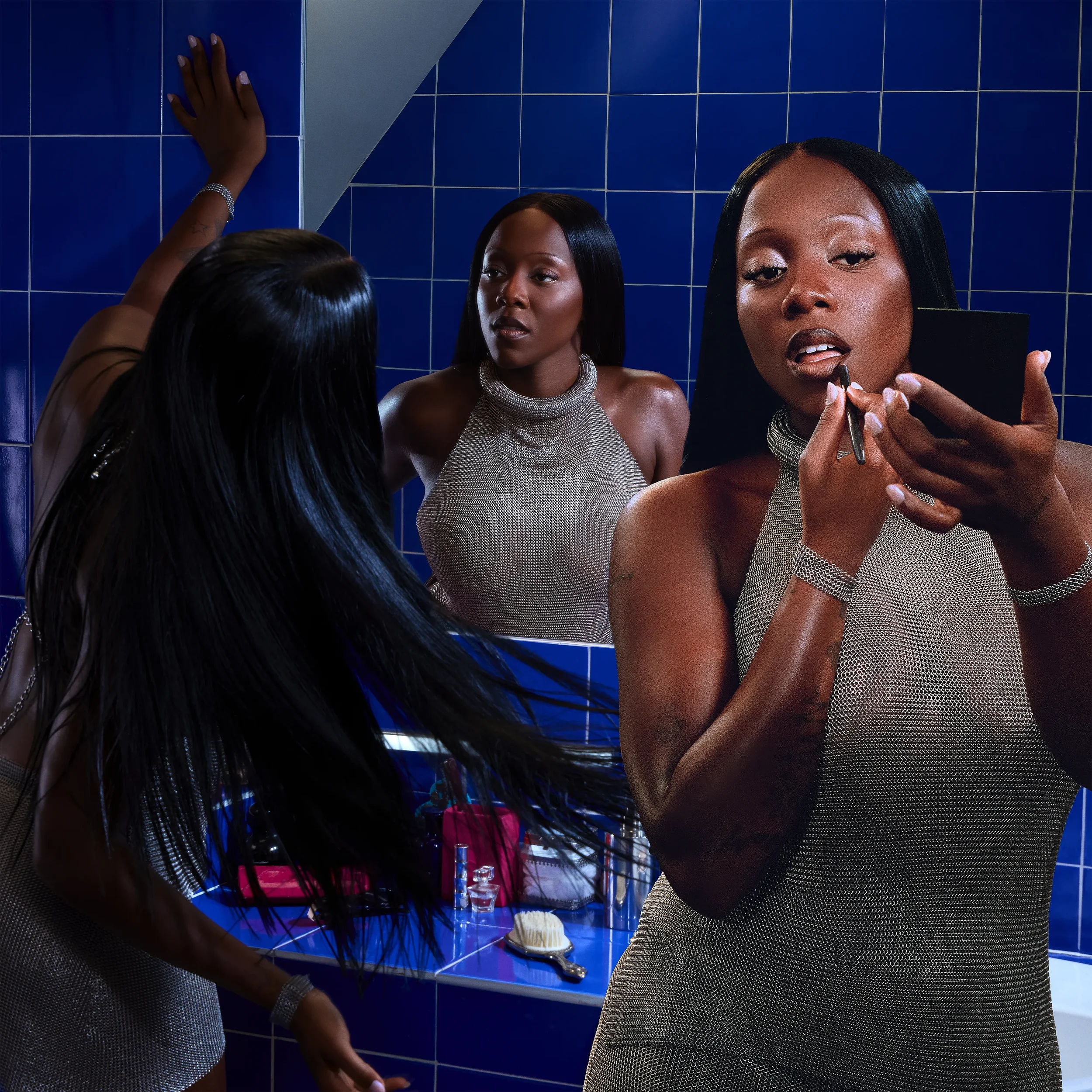
Rachel Chinouriri may just be one of our most prominent rising UK-based pop girls, and her second album I think I spoke too soon, released on 16th October, is further cementing her as one to watch. A graduate of the state-funded performing arts academy BRIT School, Chinouriri has been making music for ten years and has amassed critical success and a dedicated fanbase. Songs like ‘So My Darling’ and ‘All I Ever Asked’ received notable radio play and TikTok success, and were both included on her debut album What a Devastating Turn of Events. The album is primarily a pop-rock endeavour, full of confessional lyrics and heavy guitars, with clear influences from Britpop sounds of the noughties. I think I spoke too soon turns away from rock in favour of sleek, synthesiser pop that is perfect for the dancefloor, showcasing Chinouriri’s dedication to honing her craft and rejecting stereotypes.
When What a Devastating Turn of Events was released, critics were quick to miscategorise Chinouriri’s music as RnB and soul, when her influences, like Oasis, Lily Allen, and Coldplay, were clear on every song. On I think I spoke too soon, Chinouriri takes another step away from being pigeonholed, opening up her musical landscape to include synth-pop and dance-pop, inspired by Madonna, Kylie Minogue, Donna Summer, Prince and LCD Soundsystem. There’s a starry quality to the production on the album, with synths and piano taking up much of the forefront, while pulsing beats fill the gaps. It does create the feeling of being out at the club, a little drunk, dancing to a song that seems both too close and too far away. Pair this with the breathy, muffled quality put over Chinouriri’s vocals, and we are delivered a soundscape perfectly matching the message of the album, involving partying and sobriety, making mistakes and forgiving yourself, falling in and out of love, all wrapped up under the idea of changing and growing throughout your twenties. Chinouriri’s greatest strength as an artist is having such clear musical influences and making them her own with her signature vocal tone and confessional songwriting, and I think I spoke too soon displays this excellently.
The title of the album is appropriate for what Chinouriri sings about across the tracklist. In an interview with The Guardian, she says: “In my early 20s, I was so self-assured of who I was, then my frontal lobe hit and I went: ‘Nah, I’m actually not that person,’”. If we think of this album as a trial-and-error process across your mid-twenties, we see Chinouriri come to terms with her own failings with alcohol, love and fame. The opening track, and the lead single, ‘One song away from crying’ sets up where Chinouriri is starting from: ‘I’ve never looked better and I’ve never felt worse’, the idea of being in a bad place while you are out clubbing is very twenties of her. When you’re young, this tends to be the pinnacle social activity of your week, so whether you’re on top of the world or feeling like crap, you’d best put on a cute outfit and get on the dancefloor. We also think of the dance floor as the best place to let out our emotions, the idea of ‘dancing it out’ and all that, so Chinouriri has positioned herself perfectly to work through her inner thoughts over a dance beat. The outro of the track acts as a mantra: “you’re not out of luck, turn those tears to dust”. A reminder to the listener, and perhaps Chinouriri herself, that all of the hardship she discusses over the next 11 songs has come and gone.
She continues revealing herself to us on the third track ‘Baby steps’, where she discusses being frustrated at not being fully healed yet. The titular lyric, ‘I’m so sick of taking baby steps’, depicts a very real, ‘not a child but not feeling ‘adult’ yet’ mentality, stuck in a sort of limbo of constantly hurting and healing. Coming after two songs chronicling going out and partying, this song starts to open Chinouriri up to her audience and we get a glimpse behind the glitter eyeshadow.
A large portion of this tracklist centers around Chinouriri’s decision to be sober. Drinking culture and your own relationship to it is a very current idea, with the rise of sober months and young people making the active choice not to drink. Her ability to vocalise these feelings in song form not only suggests her own commitment to this choice but also her skill at tuning into larger, generational questions and issues and making them excellent pop songs. ‘Broken chair’ shows us Chinouriri comparing herself to a chair left out on the street, where she deludes herself into thinking she is in a better place than it. The chorus, where layers of her voice make a choir of people shouting that the chair ‘looks lonely’ and ‘looks broken’, but not Chinouriri. I love the use of layering here, because it calls back to that idea of this being a general milieu - the choir is everybody who feels the same way. “I love drinking ‘til it’s over, You all love me ‘til I’m sober”, I think, sort of encapsulates everything Chinouriri is trying to get across on this song. ‘Parasite’ is also interesting, as it combines feelings of sobriety with a toxic relationship and uses the similarities of the two to unite the two main aspects of the album. The parasite is her reliance on alcohol to have a good time, and this relationship that she feels is eating her alive.
‘Favourite desperation’ is maybe the more positive spin on reliance on a lover. “A little bit dumb, a little bit lost without you” is the feeling of carefreeness and fun that comes before the ‘parasite’ kicks in and you realise that you’ve let a person infiltrate your life that doesn’t belong in it. ‘Shiver’ is perhaps my favourite song on the album, the most beautiful guitar over this sort of distorted synth while Chinouriri compares the lingering of a past lover to being haunted. It is not the most unique angle to take, but her voice’s timber has an almost eerie, ghostly quality that just elevates the idea tenfold. It’s the perfect example of Chinouriri’s ability to take a well-known idea and make it totally her own.
Confidence comes across in every aspect of this album, every song has a clear purpose and a clear sonic identity. It shows a musician passionate about her craft and dedicated to always improving upon her last release. Rachel Chinouriri is a star, and this album is an excellent example of her ear and pen for pop music. I hope that she is the next in a long line of pop girls who have recently had their breakthrough moment, but as she says in an interview with Billboard, ‘everything can start to feel really fun when you let the pressure roll off your back’. I think I spoke too soon is a purposeful manifestation of an artist confident in her ability and her talent.