
Pinpointed: The Problem With Shuffle / The Lost Art of the LP
By Bailey Tolentino
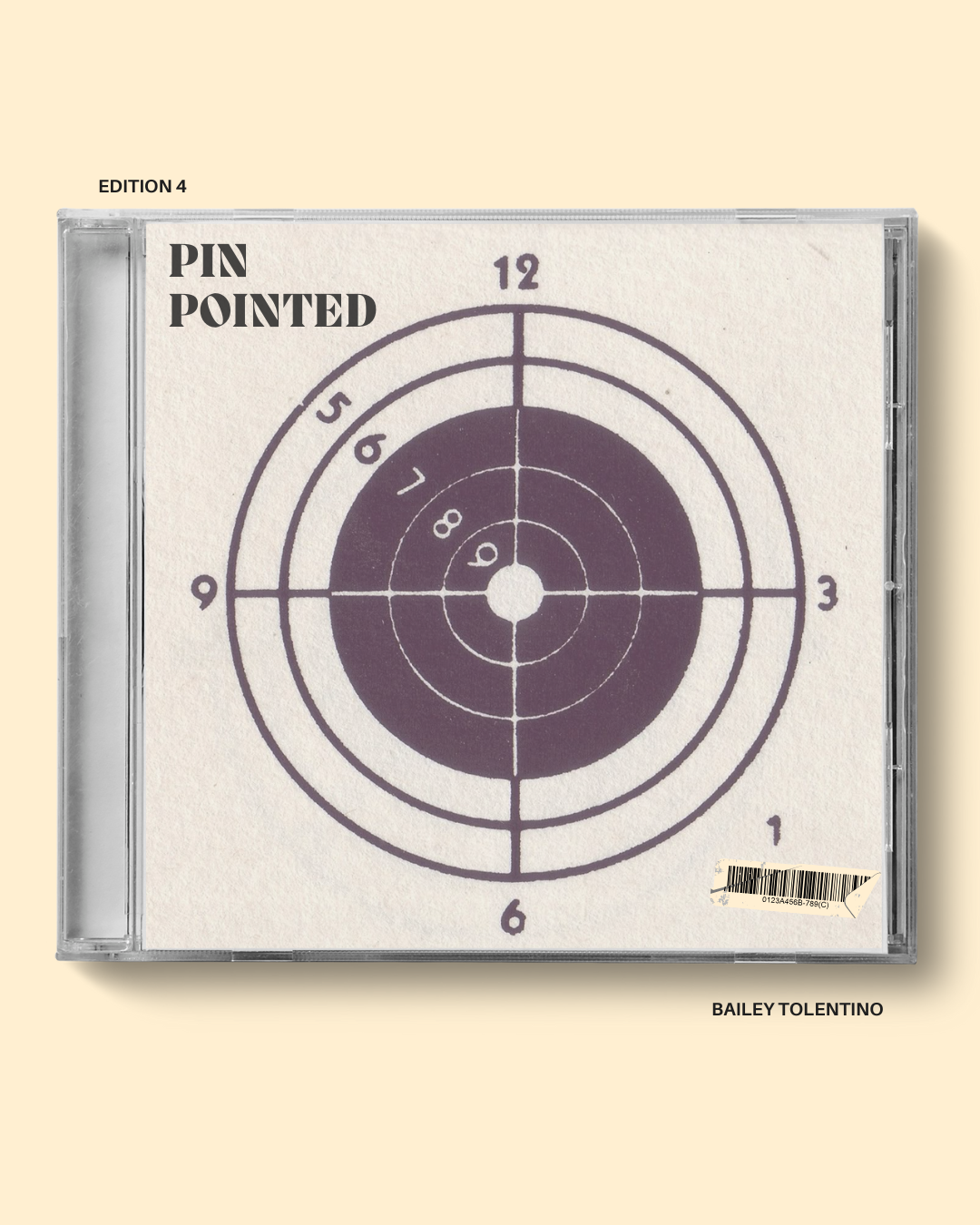
Upon seeing all my friends’ Spotify Wrapped results, I found it intriguing that so many people’s top albums earned that spot because of one or two tracks on them. The era of streaming has turned us into a single-focused society. It is why the biggest albums of the past few years have been more known for their marketing campaigns than the actual songs on them. Our generally shorter attention spans have caused albums to feel like long-form media, when in reality, an hour is not that long. In fact, most standard edition albums aren’t even an hour in duration!
Back when vinyls were the primary medium, albums could not be shuffled. The talk of the town was a record, not a single track. Sure, there were lead singles and fan favourites, which would get pressed onto smaller 45 RPM discs — but that only happened after the album had gained enough traction to produce fan favourites. Nowadays, casual music listeners are more likely to recognise a song if you hum the chorus to them than if you were to name the song — and good luck asking them what album the nameless tune originates from. A great example of how much the industry has begun to devalue the art of the album is the recent girl band sensation, KATSEYE. Developed by K-Pop mega-machine HYBE, the band has surely been set up by a label that knows exactly what the industry requires for success… and apparently, a full album is not part of those requirements! KATSEYE is one of the biggest names in music right now — they were even nominated for Best New Artist at the Grammys — but they only have two 5-track EPs consisting of singles that were originally released one at a time. This method has allowed them to achieve great commercial success, but the band has struggled ro gain much artistic credibility (despite how talented they may be).
It seems our generation might be inching back towards an albums economy when it comes to distributing credit for true talent, with this year’s most loved artists being known by their names rather than renowned for one hit song — think Bad Bunny, Geese, Lily Allen, Rosalía… This could have something to do with artists being promoted for their persona(lity) over their work, but I would like to think it has something to do with albums making a comeback. I have never heard someone refer to Hayley Williams as “the girl who sings ‘True Believer’.” Point is, her moment this year was the album, not one song.
The hope is artists will realise the pendulum swing is about to happen, and thus start focusing more on constructing albums. No album should feel like a mere playlist, unless it’s a weird situation like Ed Sheeran’s collaboration albums. It is unfortunate that the industry is so focused on hits due to our limited attention spans, but an album should not have to be a concept album in order to be strong or coherent. That’s a big misconception.
Circling back to the Spotify Wrapped issue, tons of people expressed discontent with their results, claiming the app was using AI and therefore counted their streams incorrectly. Maybe a part of it is that; but maybe the numbers are correct, and people still feel their music taste was poorly represented because Spotify counts the streaming of one song as a stream for its album. Therefore, you could have just liked the song ‘Abracadabra’ and, as a result, find MAYHEM as your top album or Lady Gaga as your top artist… even if you didn’t listen to any of her other music this year. Just because you like a song, does not mean you like its album or its artist. If the industry put more emphasis on albums as the most important product, however, we wouldn’t have these dilemmas.
I can’t blame it all on the industry, though. I can’t even blame it all on the artists — for I know it is entirely untrue when Boomers say music just “used to be better.” The issue began when people started ignoring the importance of a tracklist. Playlists have become the primary medium through which Gen Z listens to music, so we basically listen to albums in hopes to find additions to our playlists. One song is enough, and then we shelve the rest of the album for all time. But playlists are not albums, and albums are not playlists — and neither should be treated as the other. The depreciation of album tracklists and album concepts is how we ended up here, caring more about single tracks than albums as a body of work… And that’s the problem with shuffle.