
Dopamine Chamber — Fontaines D.C.
Review by Lucy Graham
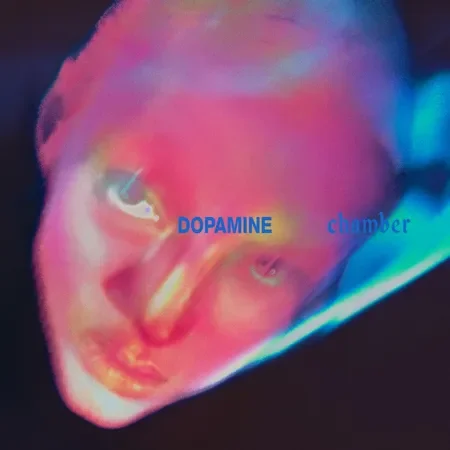
If there was one word to describe Fontaines D.C.’s new album Dopamine Chamber it would be dystopian.
On their fifth album the band explores living in a high-tech world, the feeling of loss, and the creeping feeling that despite all odds, things could get better. The album takes inspiration from new wave bands such as Depeche Mode and heavily relies on the 80s sound. The album opens with synths in the futuristic and melancholic ‘Six Shot Morning’ , setting the darker tone for the album. With references to Silicon Valley the song emphasises the weirdness of living in a world that is departing from a natural way of living and turning towards high technology. In a way it feels very detached from real life, a common feeling when thinking about how advanced technology has gotten and what that can mean for the future of the world as we know it and even humanity.
A lot went into the making of this album. Lead singer Grian Chatten told NME that in order to find his inspiration he travelled to cities of “lost grandeur” such as Venice and Vienna and I think that definitely shines through in his lyricism. In their closing song ‘Intimate’, the bridge definitely displays this best. “Floating city, there's no ending to the decadence” is without a doubt a reference to the beauty of Venice. The band continues with “before you, the ruins of the human dream/colorful ending, so pretty in the final scene”. The song describes the divide of the “Beauty kings/Beauty queens” in society creating a world for them and leaving everyone else behind with little care of the destruction they do. The ending is a swirling sound of synths in a total culmination of hopelessness and loss.
The band also experienced a great deal of loss in the making of this album and some songs take on a new meaning with the loss of their long time manager Tervor Dietz. ‘Happy For You’, a song I originally interpreted as letting a past lover go and not chasing after them, had a different meaning for Chatten after the death of Dietz. He told The London Times that “It’s about death now – and how to come to terms with it.” I think this goes to show the versatility that Fontaines D.C. has with their writing. Songs can take on new meanings based on how you look at them.
My favorite song off the album would have to be ‘One Man’ or ‘Japan’. They’re relatively similar in message discussing toxic, failing relationships. ‘One Man’ starts with strings instead of synths and Chatten’s isolated vocals. My favorite part would have to be the second verse where the guitar kicks in. The verse encapsulated the feeling of trying to distract yourself with either something or someone from the harsh reality of the world. Chatten sings “do you have a genuine need to be desired?/Call me up anytime that you wanna fly” showing the relationship void of real desire that he and this other person have developed by using each other as a distraction. ‘Japan’ is a look into a girl's unfulfilling relationship with a man who doesn’t appreciate her the way she appreciates him. The story is all in the lyrics and highlights the sheer dissociation that can occur when you are with someone you don’t truly love. The refrain echoes the question “Why’d you go and make it real?” over and over again, asking the question that I’m sure we have asked our friends before stuck in relationships that are failing.
Fontaines D.C. produced their first collaboration on this album with Spanish singer ROSALÍA. The song ‘Where Is Gone’ is hauntingly beautiful once again starting slow with strings and guitar. This song is an ode to a past love or life that you can’t get back. An unlikely pair, ROSALÍA and Chatten accompany each other extremely well. What stood out to me most was the ending which feels like it should belong in a movie, totally cinematic and fully orchestral. Listening to it I hear drums, strings, synth, even a trumpet. It’s really beautiful.
Following in the massive success of their fourth album Romance it would’ve been easy for Fontaines D.C. to follow in the indie-pop footsteps of their hit song ‘Favourite’. Instead we’ve been given an album that pushes the limits with 80s sound by incorporating synths and haunting vocals. The band has said that happy music doesn’t feel like them. Guitarist Carlos O’Connell highlighted this before the album was released in The Independent: “Optimism can feel delusional, while confronting darkness actually adds a lot of meaning to life.” That right there just about sums up the album. The darkness of the world that the band looks to address in this album makes for a much more interesting and impactful album than if it was just a happy-go-lucky indie pop album. The darkness is what keeps drawing me in and ensuring that I go back for another listen and I think it will draw you in too.