
Did TikTok Kill the Video Star?
By Lucy Kerr
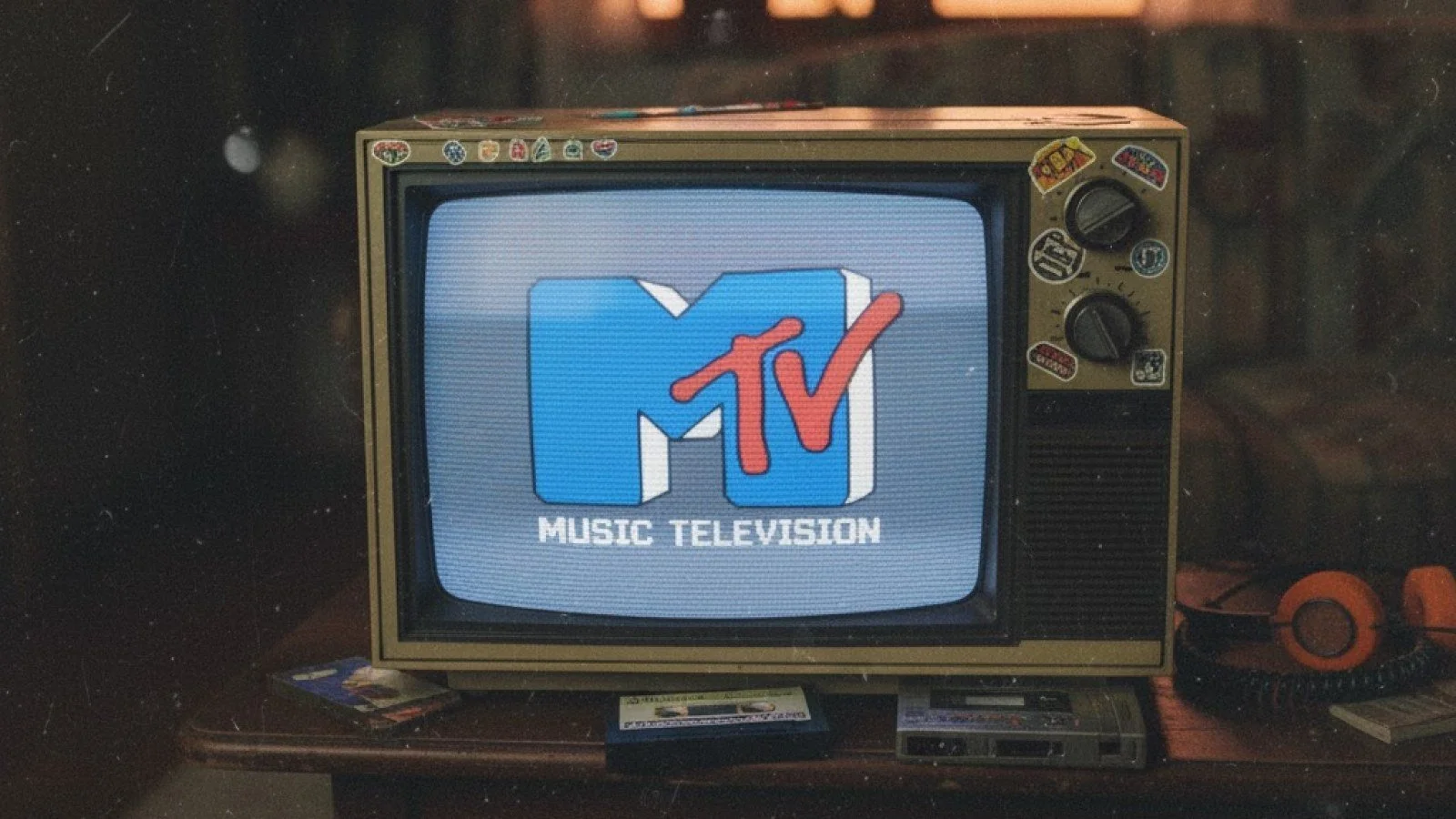
On the final day of 2025, MTV shut down its remaining music video channels, decisively marking the end of an era with a final showing of The Buggle’s ‘Video Killed the Radio Star’ (also the first video played on MTV when it launched in 1981). Having grown up on a steady diet of music videos, I was a bit sad when I read MTV's initial October announcement that these channels would not run into 2026. Still, I knew that music videos had long since spread beyond the confines of music television. So, when I saw Dazed had released their roundup of the best music videos of 2025, I was eager to read it and feel reassured about music videos' continued ability to thrive. Yet after reading, I found myself left wondering if the role of the music video had become obsolete in the age of social media.
I was familiar with about half of the songs on Dazed’s list, including Doechii’s ‘Denial is a River’ (my favorite video of 2025), Lorde’s ‘Man of the Year’, and Charli XCX’s ‘party 4 u’. But these were already artists I enjoy, and I was mostly aware of these videos because I had seen clips on social media that inspired me to look up the full videos on YouTube. This struck me as a notable change from the role the music video had played for most of its history. Even before the inception of MTV in 1981, music videos served as a vital promotional tool, offering exposure and drawing in new audiences to help sell records. As formats shifted over time, videos still dominated music marketing, with generations of artists still benefitting from the promotional power of a popular music video. Just as A-ha’s 1985 MTV hit ‘Take on Me’ took the Norwegian band from unknowns to pop stars, Ok Go found fame after their 2006 hit ‘Here it Goes Again’ became one of the first music videos to go viral on YouTube.
Now, the ability to launch an artist from obscurity to stardom lies firmly in the hands of social media, particularly Tiktok. This change certainly isn’t isolated to the music industry; there’s been a cultural shift as audiences gravitate towards short-form content. While it feels jarring to think of a music video as long form content, it nevertheless makes sense that in the current media culture, an entire viral video is no longer necessary, and a brief catchy snippet of a song is all that’s needed to go viral. Yet if music videos have been displaced by social media as the most effective promotional tool, why are artists and labels still spending the money, time, and effort to even create a video nowadays?
Guardian writer Shaad D’Souza points to shrinking budgets and declining views as signs that the music video has fallen from grace since the glory days of MTV. However, a broader look at music video history paints a slightly more nuanced picture. Even though critics have prophesied impending doom for the music video since MTV added reality TV to its programming in the 1990s, despite smaller budgets, creative and engaging music videos continue to be made even and still draw millions of viewers.
In an interview with NPR, author Saul Austerlitz explains that shrinking budgets haven’t universally affected music videos, but rather eliminated video funding for musicians in the “middle ground,” no longer believing that a popular music video will help developing artists surge into the public consciousness. However, Austerlitz highlights that creative music video projects still continue to thrive, both from indie musicians willing to fund their own videos, to the established stars that labels are still willing to invest in.
These videos for stars reveal the labels’ willingness to fund videos that offer them a return on their investment. Even as YouTube streams have declined in recent years, they still offer another avenue to cash in on a musician's celebrity, and provide the motivation for labels to pay video production costs. Nevertheless, in the ruthlesslessly capitalist music industry, it seems like labels aren’t particularly inspired to make this investment unless pushed, so who’s still advocating for music videos to still get made?
Over the past 40 years, music videos have evolved as their own art form, not neatly fitting into the confines of either the music or the film and television industry. While videos are centered around the work of musicians, they’re brought to life by directors and film teams, who often seem to be the ones pushing for music videos to still be made.
Both D’Souza and Austerlitz point to the way music videos have helped launch the careers of acclaimed directors, with their two examples spanning decades and platforms. D’Souza highlights Oscar winning filmmaking duo Daniel Scheinert and Daniel Kwan, who began their careers directing music videos in the early 2010s, like DJ Snake and Lil’ Jon’s ‘Turn Down For What’, while Austerlitz highlights Oscar winning director Spike Jonze’s extensive early career of directing 90s MTV hits, including the Beastie Boy’s ‘Sabotage’. In exchange for creating iconic videos for musicians, often for very little money, directors have the opportunity to bring their vision to life and boost their own careers.
While it seems like filmmakers may be the leading force in pushing for music videos to still get made, the fact that indie musicians and industry stars alike agree to spend precious time and energy making these videos is a testament to the value they still find in it. Film and music creatives' continued passion for these projects, despite the comparative ease of only producing short form social media content, suggests that the music video still has a lot to offer as its own hybrid outlet for creative expression, even as it loses its power as a promotional tool. Even if budgets and popularity have diminished since the heyday of MTV, I feel grateful the music video is continuing to stick around.