
Blizzard - Dove Ellis
By Julius Swinfen-Cranney
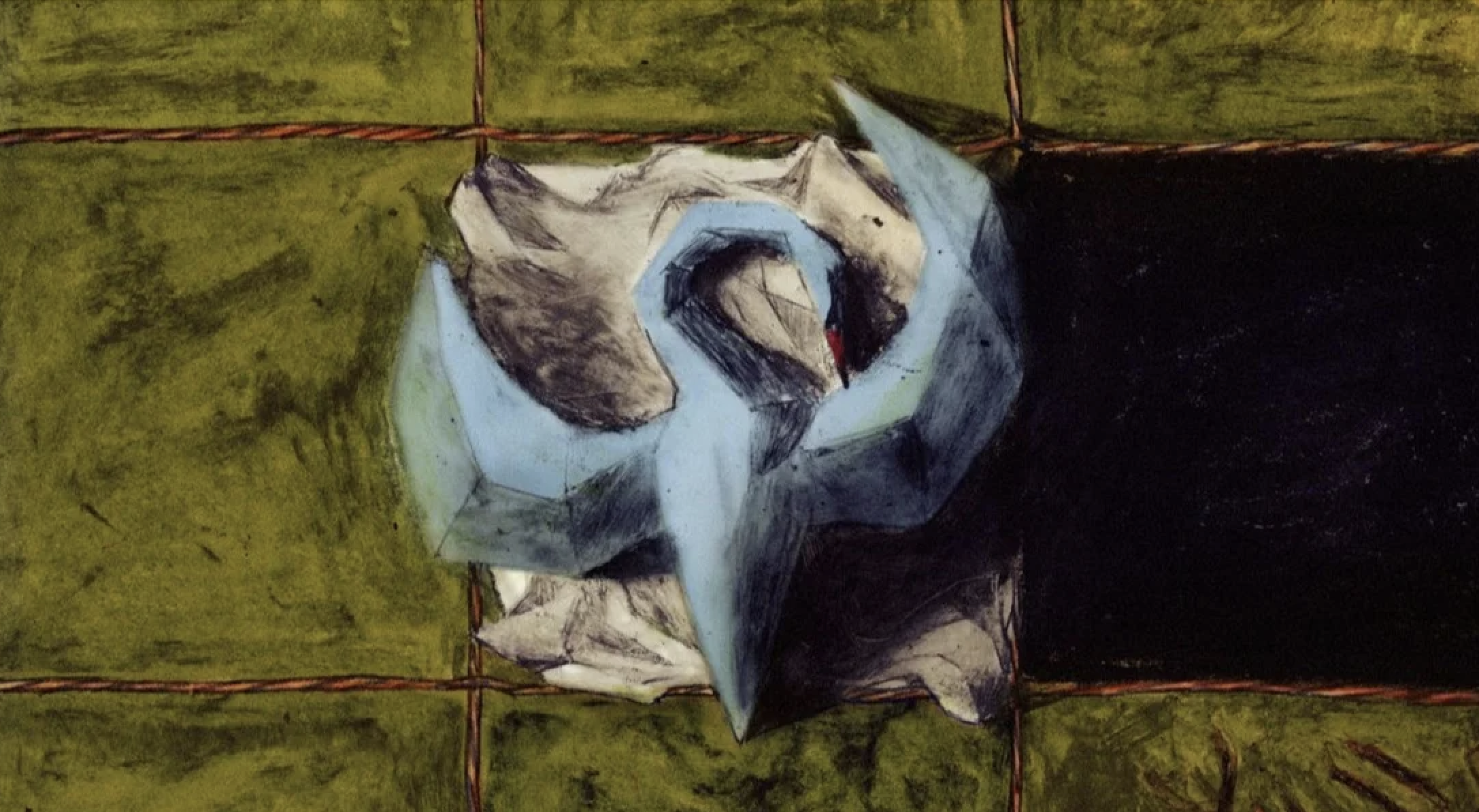
With his debut album Blizzard, Irish singer-songwriter Dove Ellis undoubtedly makes an understated yet bold entrance into the music industry. This modesty comes not only from his inconspicuous rise in the indie scene, but also in the intimate and subtly explosive moments scattered across the record. Blizzard is a cosily haunting project that already showcases Ellis’ precise control of musical dynamics using restraint rather than excess to build tension and emotional weight.
We barely know anything about Dove Ellis. He’s from Galway, now based in Manchester. He played small pub gigs and intimate venues across Manchester and London – nothing too flashy. Most notably, he opened for rising indie-rock stars Geese on their recent Getting Killed tour. But other than this, we’re in the dark. We’ve not even had a single interview with Ellis. But if anything, the absence of information only deepens the album’s pull.
The first track ‘Little Left Hope’ introduces the listener to the three greatest achievements on the project: a clear control of dynamics, harrowing lyrics, and Ellis’ breathtaking voice. In the song’s chorus, Ellis is able to create intensity without bashing and crashing instruments together, or cranking up the volume, but rather with sporadic percussion and a heavenly layering of Ellis’ own vocals. His lyrics flip between despairing and optimistic, between abstract and straightforwardly poetic. On ‘Love Is’, Ellis adopts this straightforward poetry and tells us “love is not the antidote to all your problems” throughout, but later bellows: “(Love is) your last chance” – I see this contradiction as Ellis showing us his own experience with the human condition, making the project feel both personal and universal.
This being said, attempting to find some definitive meaning from Blizzard feels beside the point, as the record’s power lies less in narrative clarity and more in emotional resonance. Slow ballads like ‘When You Tie Your Hair Up’ and ‘It Is A Blizzard’ are evocative, soul-stirring pieces, and the final track ‘Away You Stride’ really puts Ellis’ magnificent voice on display to take the album home. The Jeff Buckley comparisons feel quite apt: the dreamy falsetto, frequent yet subtle use of vibrato, and command over the emotion in his voice warrant the comparison. However, Ellis is ultimately able to forge his own identity through his unique manipulation of dynamics. Although a song like ‘Feathers, Cash’ doesn’t add much onto what Ellis had built up so far instrumentally, ‘Jaundice’ takes quite a left turn – becoming a kind of Irish jig – accompanied by wild saxophones and jolly accordions. The clattering percussion on ‘To The Sandals’ make such erratic rhythms that you are drawn into the vivid, ghostly soundscapes of the track.
Blizzard’s refusal to chase a maximalist spectacle is what makes the project seem so self-assured, especially in an era shaped by streaming and instant gratification. The album moves at its own pace and delivers what it wants, exactly when it wants to. There are these bursts of energy – such as the drums kicking in on ‘Love Is’ – that arrive without warning and break apart the steadiness of the song thus far. Moments like these are used meticulously in the construction of the record and immerse us in the intimate atmosphere that Ellis wants to create.
Ultimately, it’s Ellis' ambition that shines the brightest. Whilst some tracks, like ‘Feathers, Cash’, lack the distinctiveness that makes the albums strongest moments so affecting, Blizzard shows promise for Ellis and provides the foundation for him to flourish in the future. This is only the beginning of Dove Ellis’ exploration of his emotional and sonic capabilities.