
Angel — Lizzy McAlpine
Review by Eva Sawdey
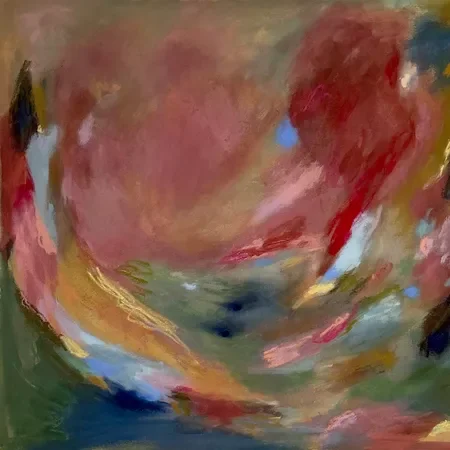
Lizzy McAlpine’s fourth studio album, Angel, compiles songs that reflect her personal and musical growth. With inspiration from Joni Mitchell and Nick Drake, McAlpine puts forth a powerful and touching record that makes my heart ache in a way most artists aim to do. In an interview with Rolling Stones, McAlpine describes the album’s theme as change and hopefulness. Her mature outlook and retrospect shape this clear and confident sound for the album. Her previous album, Older and Wiser, was gut-wrenching, focusing on the past and what she would have done differently. Angel is the acceptance of things and being optimistic for the future. This fresh perspective is complemented by the Folk genre, aiding the storytelling and newfound knowledge of it all.
‘The light in the painting’ was the first single and first track of the album, and it’s still one of my favorites. Its tenderness and warmth matches the title perfectly. Through the lyrics, “steal an hour in the evening just to hold you now,” McAlpine translates that, while their lives may be busy, dedicating time to be together is this simple act that screams volumes. Throughout the song, “holy ground”, “sacred spaces”, and "heaven" are mentioned, emphasising her religious-like devotion to this person and the happiness that they bring to her life. The song starts off with the vocals in the forefront, with an organ-sounding hum in the background, and doesn’t start to pick up until halfway through. The drums are my favorite part of the instrumental, helping listeners feel the song. The bass drum enters and then accelerates when McAlpine sings, “What a beautiful way to finally feel something,” mimicking a racing heartbeat. Then, more parts of the drums are added for the ending of the song as if her heart is exploding with love.
‘A car wash and a new pair of pants’ sings about McAlpine's experience in her past relationship, and the struggles of him falling more in love with the status she gave him rather than McAlpine herself. The rhythm of this song follows a folk pattern, as if it is a cautionary tale. In the first verse, “wanted to love me for what I gave to you” refers to her indirectly giving him fame and recognition. This line is repeated in the last verse with a small adjustment, “wanted to love me long before we met.” This changes the narrative of naturally falling in love to an idea he plotted and calculated. Also the use of “wanted to love me” reiterates her feeling used throughout their relationship. The bridge is the most direct and honest part of the song, really capturing him taking advantage of her, especially with the last line, “Always tried to keep fame as your mistress, I just loved you.” However, reflecting McAlpine’s growth and healing, instead of pitying herself in this situation, she feels sorry for his need for fame and how that changed him as a person. “Watch your life get smaller” could have a double meaning, as his energy for keeping his image has made him less of a person, but also the greed that ended their relationship and caused him to lose her.
‘The moon’ is this enchantress , witchy plea, asking someone to be worth giving up independence for. In the pre-chorus, the singer reflects on the freedom one has when they are single, and her determination to keep it. However, she feels this gravitational pull towards this person, “I’m no freer than the moon,” losing her agency and everything she is doing is now for him. The second verse asks to switch roles with him “[revolving] around her” and doing what she wants, protecting this independent path she has since now maintained. “How could you do this to me?” comes back to how something has taken over her, and she cannot help but to fall for him. I like how this song reflects her dedication for maintaining control by using imperative sentences rather than interrogative when talking to him. She is telling him he has to be more rather than asking him to be more. McAlpine is still able to maintain her confidence and knowing what she wants even at a time of change and unruly desire.
‘Two elevens’ is one of the songs off the record that shows the most growth. In her performance in LA, McAlpine talks about the inspiration for this song after the alarm company notified her ex-boyfriend, who she previously shared the house with, and he texted her to make sure she was okay. She began to reminisce about this relationship with a healed perspective. It’s easy to dismiss fond feelings after a break up, but time allowed McAlpine to acknowledge that they did love each other and that they can still care for each other without it bringing them pain. The chorus talks about the intimacy and gentleness of knowing someone from a past relationship with, “we had something, that’s all that matters.” Enough time has gone by for McAlpine to have more clarity and more empathy for the both of them, and instead of trying to push away the memories, she “wont forget, there was love once.” The bridge makes an homage to her previous album with, “I am older, and I’m sorry.” This again shows her development and how, now that she is older, she can apologise for her part in the break up or her reactions afterwards.
Lizzy McAlpine’s fourth album reflects on the contentment of acceptance and feeling new again. Older and Wiser, ironically, feels more naïve than Angel. The prior has this immediate false confidence that comes from a place of hurt, like when you’re tired of being sad so you try your best to act like it is resolved. Angel feels like enough time has gone by to heal and remove yourself from what happened. Both lyrically and instrumentally, ‘Angel’ shows McAlpine’s change in perspectives, processing what happened, allowing her to move forward. The more I listen to the album, the more I find these little connections to her past work in a new light, which makes me love it even more.